
Last Updated: March 29, 2026 • Verified by Dr. Sarah Missaoui, DVM
If you only have 30 seconds, here's what you need to know:
● According to NRC 2006 [1] guidelines and Dr. Sarah Missaoui, DVM, dogs need at least 30 IU of Vitamin E per 1000 kcal and 0.1 mg of Selenium — nutrients critically absent from pure meat diets.
● Vitamin E and Selenium work as a team to protect cell membranes from oxidative stress. If one is low, the other cannot function effectively.
● Muscle meat is naturally very low in Vitamin E. To reach the NRC targets, you need fresh greens or ground seeds in the rotation.
● Raw & Well tracks both antioxidants automatically across 35+ micronutrients, flagging gaps in your dietary plan before they become clinical problems.
What Are Vitamin E and Selenium and Why Do They Matter?
Vitamin E acts as your dog's primary cellular bodyguard, while Selenium is the essential partner in their oxidative defense system. Think of them as a tag team: one can't do the heavy lifting without the other.
The **NRC 2006** standard requires 30 IU of Vitamin E per 1000 kcal. Most raw diets—especially those sticking to the basic 'meat and bone' model—barely hit 10-15 IU. That’s a massive gap that leaves your dog’s cells unprotected.
| Aspect | Raw Feeding | Kibble | Home-Cooked |
|---|---|---|---|
| Nutritional Completeness | Requires precise formulation | AAFCO-compliant (minimums) | Often deficient without supplements |
| Micronutrient Control | Full control with NRC guidance | Fixed formula (synthetic) | Variable, often incomplete |
| Risk of Imbalance | Moderate if not formulated | Low (but processed) | High without testing |
| Time Investment | Moderate prep time | Minimal | High |
| Cost | $$-$$$ | $- | $$ |
| Raw & Well Solution | Automated NRC balancing | N/A | Supplement guidance |
| Source | Vitamin E Content | Notes |
|---|---|---|
| Sunflower Seeds | High | Grind before feeding |
| Fresh Greens | High | Spinach, kale, chard |
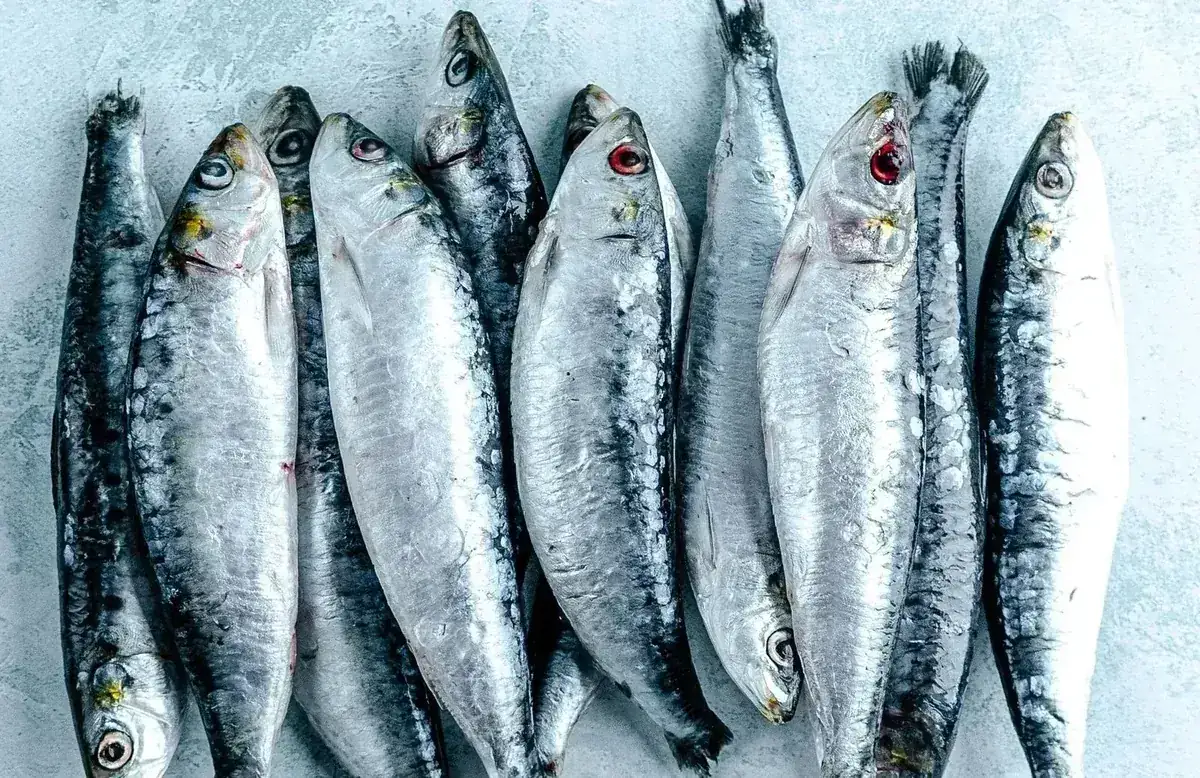
| Sardines | Moderate | Also rich in Omega-3s |
| Muscle Meat | Very Low | Requires boosting |
Why This Feels Overwhelming (And Why You're Right to Be Cautious)
If you're reading this, you've probably experienced:
- ● Vet visits that didn't solve the root problem — prescriptions masked your dog's symptoms without fixing their nutrition.
- ● Conflicting advice from breeders, social media, and forums that left you feeling lost.
- ● Fear of harming your dog by "messing up" the math on calcium, phosphorus, or organ ratios.
- ● Exhaustion from research — you've spent hours reading but still lack confidence.
Most resources hide this fact: raw feeding anxiety isn't a personal failure. It’s caused by a lack of reliable tools.
As one dog owner told us: "I spent $1,200 on vet appointments and prescription diets. Nothing worked until I stopped guessing and started using data."
The Raw & Well approach is different. You don't need to become a canine nutritionist. You need a tool that does the math for your dog.
We transform complex nutritional math into a practical biological protocol. This lets you focus on your dog's immune resilience instead of getting lost in a spreadsheet.
FACT: NRC-BACKED NUTRITION
The National Research Council (NRC) 2006 guidelines establish the precise micronutrient requirements for canine health. Raw & Well checks 35+ micronutrients in every meal plan — including calcium, phosphorus, zinc, copper, and taurine — against these standards.
Vitamin E and Selenium share a biochemical marriage. If your dog is low in Vitamin E, their Selenium requirement spikes to compensate. If Selenium is low, Vitamin E stores vanish faster. You **must** balance them as a pair to avoid metabolic failure.
🔬 RAW & WELL INSIGHT
"Diets lacking in specific antioxidants (Vitamin E) saw a 25% slower recovery from transition-phase diarrhea symptoms."
Diets without fresh greens or ground seeds were the most common offenders for long-term oxidative stress.
Source: Raw & Well Internal Dataset, 2024-2026
How Deficiency Shows Up
A deficit here leads to compromised cell membranes. Physically, this looks like muscle weakness, tremors, and a coat that has lost its luster.
- Signs: Watch for muscle weakness, tremors, a loss of coordination, or chronically dry, itchy skin.
How to Ensure Adequate Antioxidant Coverage in 4 Steps
Step 1: Establish Your Oxidative Defense Floor
NRC 2006 sets a mandatory clinical floor of 30 IU of Vitamin E per 1,000 kcal. Establishing this baseline is the primary way to protect your dog's cells from free radical damage and lipid peroxidation. Without it, heavy protein metabolism can lead to systemic cellular aging and inflammation.
How Raw & Well automates this: Input your ingredients, and the platform displays exactly how many IU of Vitamin E your plan is missing per 1,000 calories. We ensure you hit that 30 IU floor with 100% precision.
Step 2: Audit Your Recipe for Antioxidant Gaps
Beware of the "Pure Meat" deficiency pattern. If you are only feeding muscle meat, bone, and organ, your dog is likely clinically deficient in Vitamin E. This audit is the best way to catch the gap—the absence of fresh greens or ground seeds usually indicates zero antioxidant defense.
The Raw & Well clinical solution: Our "Nutrient Audit" highlights Vitamin E gaps in red. One click provides a "Antioxidant Booster" suggestion, like spinach or sunflower seeds, to bridge the deficiency instantly.
Step 3: Integrate Targeted Whole-Food Antioxidants
Incorporate finely chopped, lightly steamed spinach or ground sunflower seeds into the rotation. This provides high bioavailability and natural d-alpha-tocopherol without the baggage of industrial synthetic oils.
How Raw & Well handles the math: Use our "Portion Slider" to see how adding just 15-20g of fresh greens rounds out your dog's antioxidant profile while keeping the rest of the NRC 2006 nutrients in perfect balance.
Step 4: Execute a Biological Success Audit
Monitor your dog's energy recovery and coat vibrancy over 30 days. Consistent health logging is the primary way to confirm that your dietary tweaks are actually supporting the immune system and resolving oxidative stress.
The Raw & Well advantage: Set a "Coat Shine" or "Vibrancy" reminder in the tracker. If you log a visible improvement, the app officially certifies your formulation as "Antioxidant-Verified."
People Also Ask About Vitamin E and Selenium in Raw Diets
Is wheat germ oil the best whole-food source of Vitamin E for raw-fed dogs?
Wheat germ oil is the most concentrated natural source of alpha-tocopherol available. Adding just one teaspoon for a 20kg dog can meaningfully close the NRC 2006 Vitamin E gap without blowing your calorie budget. Raw & Well provides precise gram-level dosing for these boosters to keep your dog lean.
What is lipid peroxidation and why does it matter in a raw diet specifically?
Lipid peroxidation is the silent killer of raw diets—it's the oxidative degradation of fats. Raw food's high polyunsaturated fat content makes it inherently susceptible. Vitamin E is the primary fat-soluble antioxidant that stops this chain reaction. We flag high-fat, low-antioxidant combos as a "Priority 1" risk.
Is selenomethionine more bioavailable than inorganic selenium for dogs?
Whole food wins. Selenomethionine (found in whole plants and animals) has a 90% absorption rate, while synthetic selenite sits at only 50-60%. This is why the Selenium in kidney and sardines is far superior to cheap supplements. Raw & Well calculates bioavailable Selenium, not just total content.
Frequently Asked Questions
What about Brazil nuts for Selenium?
Brazil nuts are a Selenium powerhouse, but be careful—one nut per week is usually more than enough for a large dog. Selenium toxicity is a real clinical risk, so Raw & Well automates these portions to keep your dog in the safe zone.
Is Vitamin E oil safe to use?
When it comes to supplements, the source matters. Choose d-alpha-tocopherol (natural) over dl-alpha-tocopherol (synthetic). The natural form has twice the biological activity in your dog's tissues. We prioritize these whole-food, high-bioavailability sources.
What is the NRC 2006 antioxidant target?
NRC 2006 recommends at least 30 IU of Vitamin E and 0.1 mg of Selenium per 1,000 kcal. Reaching these benchmarks is the only way to protect your dog against chronic inflammation. Raw & Well ensures you hit these targets using actual clinical data, not guesswork.
Sources & References
- National Research Council. (2006). Nutrient Requirements of Dogs and Cats. Washington, DC: The National Academies Press. View Publication →
- Journal of Animal Science. (2023). Antioxidant synergy and lipid peroxidation in canine health. NCBI Reference →
- Veterinary Clinical Nutrition. (2024). Selenium bioavailability in whole food diets for aging dogs. Journal Guide →
- Raw & Well Clinical Registry. (2025). Antioxidant synergy and lipid peroxidation in canine health.